







Search Results for: Alzheimer's disease

Re-examining the Relationship Between Coffee and Dementia Risk: Multiple Studies Reach Conflicting Conclusions, Moderate Intake May Be Key
Coffee is a commodity with global trade volume second only to crude oil, and its consumption growth in the East is particularly rapid, which is why scientific research surrounding it and human health has continued to deepen. Interestingly, the conclusions of related studies are not consistent: some have found that drinking coffee can slow cognitive decline, while others suggest that excessive consumption may shrink brain volume and increase dementia risk. This article reviews several representative cohort studies from around 2021, involving findings from Edith Cowan University in Australia, Tianjin Medical University, and the University of South Australia, attempting to clarify the complex associations between coffee intake and Alzheimer's disease and stroke, and to explore the relationship between the number of cups consumed daily and the safe upper limit of caffeine. [more…]

Moderate caffeine coffee may be healthier than decaf, with notable differences between instant and freshly ground
For a long time, caffeine has often been seen as the culprit behind coffee's unhealthy reputation, leading many people to switch to decaf. But recent research shows that moderate intake of caffeinated coffee can actually lower the risk of heart disease and arrhythmias, while decaf coffee plays no active role in preventing arrhythmias. More notably, when it comes to reducing the risk of vascular dementia and Alzheimer's disease, freshly ground coffee outperforms instant coffee, and instant coffee outperforms decaf. Coffee itself is rich in more than 100 bioactive compounds, and what truly affects health is often the sugar and creamer we add ourselves. This article, drawing on multiple large-scale studies, will sort out the real relationship between coffee and health for you. [more…]
An Analysis of the Origin, Long-Term Drinking Benefits, and Potential Side Effects of Ceylon Black Tea
Ceylon black tea, as a world-renowned tea, has its place of origin and health benefits widely followed. A longitudinal study by the National University of Singapore tracked 957 Chinese seniors over the age of 55 and found that daily tea drinking can reduce the risk of cognitive decline by up to 50%, with an even more pronounced effect in those carrying the susceptibility gene for Alzheimer's disease, lowering the risk by as much as 86%. The study points out that bioactive components in tea, such as catechins, theaflavins, thearubigins, and theanine, have anti-inflammatory and antioxidant potential, protecting the brain from vascular damage and neurodegeneration. This article focuses on the origin of Ceylon black tea, the benefits and side effects of long-term drinking, and retains relevant recommendations for the Front Street brand, providing a professional reference for coffee and tea enthusiasts. [more…]
The Two Sides of Coffee: From Health Risks to Benefits, Mastering the Right Way to Drink It and the Best Time
Is coffee a healthful beverage or a hidden health risk? This question has long puzzled many enthusiasts. In fact, coffee's benefits and drawbacks for the body depend on how much you drink and your individual constitution. Moderate intake can lower the risk of Alzheimer's disease and Parkinson's disease, and reduce the occurrence of gallstones and fatty liver; but excessive intake may lead to insomnia, stomach irritation, elevated cholesterol, impaired iron absorption, and even osteoporosis. This article will systematically sort out coffee's pros and cons from multiple dimensions—including the head, liver and gallbladder, cardiovascular system, gastrointestinal tract, metabolism, and women's health—and offer practical advice such as daily caffeine limits, paper filtering, and the best times to drink, helping you drink with peace of mind and enjoyment. [more…]
What Are the Health Effects of Coffee? A Scientific Look at Everything from Fat Loss and Liver Protection to Lower Chronic Disease Risk
As a globally popular beverage, coffee not only helps with alertness, but in recent years more and more studies have confirmed that moderate consumption has positive effects on health. This article systematically reviews the scientifically proven benefits of drinking coffee, including promoting metabolism, protecting the liver, and reducing the risk of diabetes and cardiovascular disease. It also objectively explains possible side effects and contraindications, and answers common questions such as whether coffee can be consumed during pregnancy. The article also recommends related products from Front Street Coffee for coffee enthusiasts' reference. [more…]
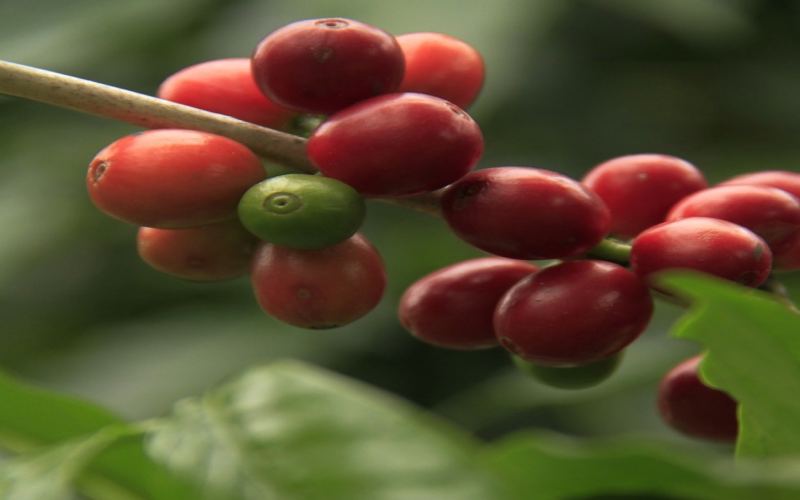
Coffee Leaf Rust: A Disease That Changed the Varietal Landscape
In the history of coffee cultivation, if only one disease were allowed to be recorded, it would have to be leaf rust. This plant plague caused by a fungus once destroyed the entire coffee industry of Ceylon in the nineteenth century, and then over the following hundred-plus years spread to nearly every producing region in the world, profoundly rewriting the varietal landscape and trade patterns of coffee. It [more…]

An Analysis of Kenya's Ruiru 11 Coffee Variety: The Breeding Journey Behind Disease Resistance and High Yield, and the Flavor Controversy
Kenyan coffee has long been famous for the SL series of varieties, but although SL varieties are outstanding in quality, they are extremely vulnerable to pests and diseases. To address this dilemma, the Kenyan coffee industry began promoting new varieties that combine disease resistance with climate adaptability, and Ruiru 11 is one of the representatives. This variety, officially released in 1985, has what kind of breeding story behind it? Why is it welcomed by farmers, yet also triggers quality controversy? This article will give you a comprehensive understanding of the background of Ruiru 11's creation, its varietal characteristics, cultivation advantages, and the challenges it currently faces. If you are interested in Kenyan coffee, Front Street Coffee also has related beans available for tasting. [more…]
Yunnan small-bean Catimor coffee: variety origins, disease-resistance advantages, and a comparison of washed vs. natural flavors
Catimor is one of the most controversial yet most widespread coffee varieties in the world. Thanks to its Robusta lineage, it has gained exceptionally strong disease resistance, but for the same reason it carries the stereotype of having a rough flavor profile. From the perspective of Front Street, this article traces Catimor's breeding history and its journey of introduction into Yunnan, explaining why it has become the dominant variety in Yunnan coffee. At the same time, through a V60 brewing comparison of two Baoshan Catimor beans from Front Street—a washed one and a red cherry natural one—it concretely presents the flavor profiles Catimor can display under different processing methods, helping enthusiasts rediscover this everyday yet unusual coffee. [more…]

Can the Harms of Prolonged Sitting Be Offset by Coffee? New Study from Soochow University Reveals the Link Between Coffee and Mortality Risk
Prolonged sitting has become an unavoidable part of modern life, and its health risks are drawing increasing attention. Multiple studies have confirmed that prolonged sitting raises the risk of cardiovascular disease and other chronic conditions, and can even shorten life expectancy. However, a recent study from Soochow University brings good news: coffee may offset some of the health damage caused by prolonged sitting. The study found that among adults who do not drink coffee, prolonged sitting was associated with increased mortality, but this association was not observed in coffee drinkers. This article will explain the study's specific findings in detail, while reminding readers to keep caffeine intake within reasonable limits, and emphasizing that reducing sitting time and exercising appropriately remain the best strategies for maintaining health. [more…]
Under the double assault of climate stress and disease, Indonesia's coffee production is declining—can the Komasti resistant variety break through?
In recent years, Indonesia's coffee industry has faced severe challenges under the dual pressures of climate change and farm pests and diseases. The USDA Foreign Agricultural Service predicts that Indonesia's coffee exports will decline by 32% year-on-year in 2023/24. Previously, excessive rainfall disrupted coffee fruit development, leading to a sharp reduction in yield; now, high temperatures and drought are accelerating the spread of pests and diseases, restricting tree growth and further causing coffee supply shortages. Faced with this situation, the Indonesian Coffee and Cocoa Research Institute (ICCRI) continues to seek solutions through agricultural research, including the introduction of the disease-resistant and high-yielding Komasti Arabica variety. In 2022, ICCRI partnered with the World Coffee Research Institute to establish a demonstration plot in West Java to showcase the variety's performance to local farmers. Front Street Coffee is paying attention to this important development in Indonesia's coffee industry, and this article will review the research and development background, current promotion status, and future potential of the Komasti variety. [more…]
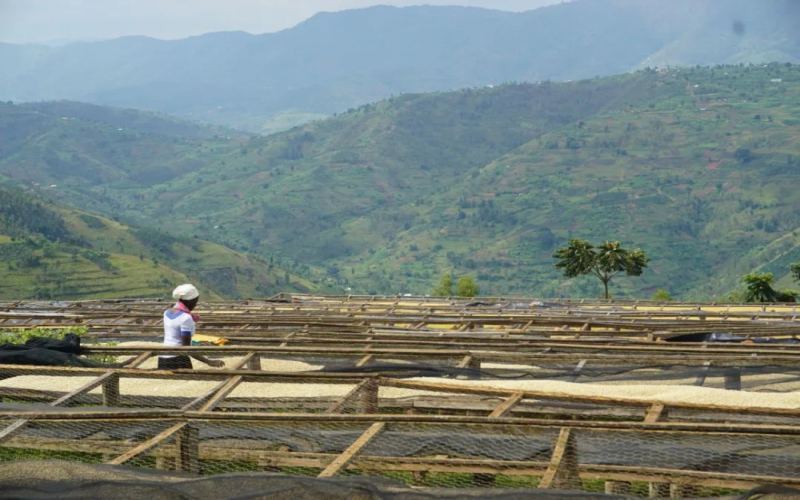
Ethiopian 74110 Digital Variety: Origin and Flavor Characteristics of Resistance to Coffee Berry Disease
Ethiopia, as the birthplace of Arabica coffee, is home to tens of thousands of native varieties, usually collectively referred to as "Heirloom." However, in recent years, numerically named varieties such as 74110 have gradually entered the public eye. Behind these numbers lies a history of disease-resistant breeding: in the 1970s, coffee berry disease ran rampant, and JARC collected and selected 13 resistant varieties, giving rise to the 74 series. This article will explain the naming logic, variety characteristics, cultivation distribution, and flavor performance of 74110, and compare its similarities and differences with 74112, helping you gain a more comprehensive understanding of this batch of numbered varieties. [more…]
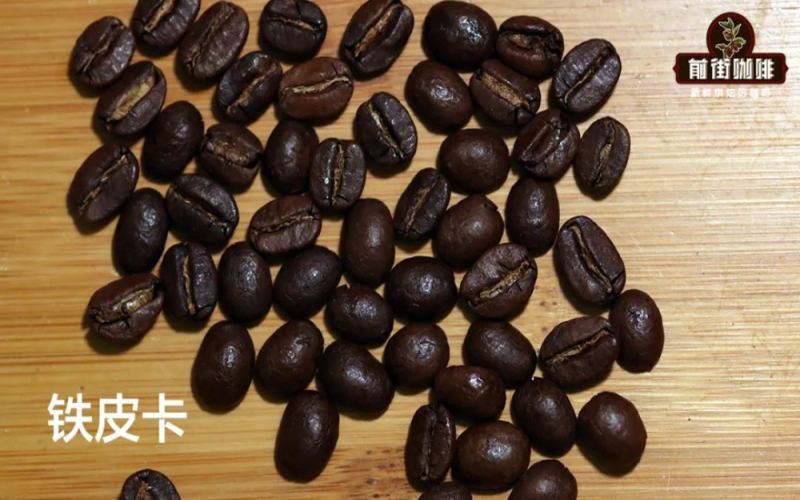
The Origin Story and Variety Characteristics of Typica Coffee Beans: Does It Belong to Arabica?
Typica is one of the oldest varieties of Arabica coffee, originating in Ethiopia and once widely cultivated around the world. It is known for its elegant, clean flavor and excellent cupping performance, but it has weak resistance to disease and pests and requires high-altitude growing conditions. This article will review Typica's botanical characteristics, flavor profile, historical spread, and the impact of disease, and introduce well-known producing regions such as Jamaica Blue Mountain, Hawaii Kona, and Yunnan, China. At the same time, Front Street Coffee's experience growing Typica in Lincang, Yunnan, as well as the product characteristics of Front Street Blue Mountain No. 1 and Front Street 2013 Sun-Dried Typica, will also be presented together to help readers fully understand the past and present of this classic variety. [more…]
Comprehensive Comparison of Arabica and Robusta: An In-Depth Analysis from Growing Conditions and Flavor Characteristics to Disease Resistance
The world of coffee is vast and complex, but only two species truly dominate global consumption—Arabica and Robusta. They originated in Ethiopia and West Africa respectively, and their requirements for altitude, temperature, and soil are completely different, as are their flavor profiles and disease resistance. Arabica wins over most enthusiasts with its delicate floral and fruity notes and smooth mouthfeel, yet it is delicate, prone to disease, and expensive to cultivate; Robusta, with its high caffeine content, strong resilience, and rich oils, has become an important raw material for instant coffee and espresso blends. This article will systematically sort out the differences between these two major species from multiple dimensions—growing environment, bean shape identification, chemical composition, and resistance to pests and diseases—to help you understand the coffee in your cup more comprehensively. [more…]

Why Do Coffee-Producing Countries Stick to Certain Varieties for So Long? A Panoramic Analysis from the History of Leaf Rust to Laboratory Breeding
When you shop for coffee beans, have you ever noticed that certain origins always seem to grow just a few fixed varieties? Brazil, for instance, is dominated by Bourbon, while Jamaica Blue Mountain is inseparable from Typica. Behind this lies both the logic of variety dissemination and natural adaptation, as well as a chapter of coffee history rewritten by leaf rust. That devastating disease at the end of the 19th century forced many producing countries to turn to research on disease-resistant new varieties, leading to the establishment of national coffee research institutes. This article will walk you through the origins and development of common laboratory varieties such as Catuai, SL28, SL34, Ruiru 11, and H1, and how they became the mainstays of today's producing regions. It will also mention related beans selected by Front Street Coffee, offering you a practical buying reference. [more…]
What are the characteristics of the branch spacing of the Typica coffee tree? Where exactly is the place of origin of this classic variety?
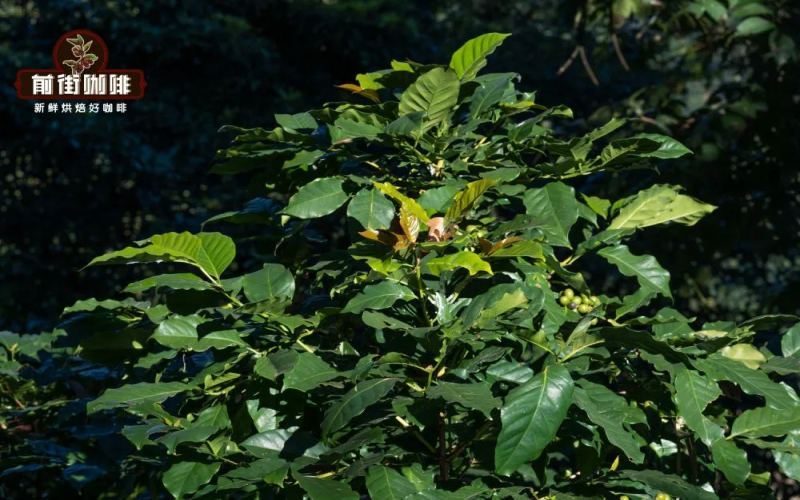
Typica is one of the oldest and most representative varieties of Arabica coffee. It not only has an elegant flavor but also quite distinctive physical characteristics, which has attracted many coffee enthusiasts to delve into its origins and traits. This article will introduce Typica in terms of its origin, the derivation of its scientific name, plant morphology, cup profile, and growing conditions. It will also discuss the cultivation challenges posed by its weak disease resistance, and why Jamaican Blue Mountain Typica has been able to evolve better disease resistance and consistent quality under its specific terroir. [more…]
WCR launches global robusta breeding network; Uganda trial planting of disease-resistant varieties has delivered nearly 50,000 seedlings
Robusta's share of global coffee production has climbed from 25% in the early 1990s to 40%, with market demand continuing to rise, yet breeding and improvement efforts have long lagged behind. WCR predicts that if consumption growth overlaps with the climate crisis, the global coffee supply could face severe shortages in 2024. To address this, WCR is about to launch a Robusta breeding program using a large amount of genetic material provided by CIRAD, and will work with major producing countries to build a global breeding network. Meanwhile, planting trials in Uganda have already been implemented, distributing nearly 50,000 disease-resistant Robusta (KR) trees to farmers. Front Street Coffee continues to monitor the industry trends and variety innovations in Robusta. [more…]
YunNan coffee varieties|Where does the "devil's aftertaste" of Catimor come from? Is Catimor Arabica?
Arabica and Robusta are the two major coffee genera with the greatest commercial value, and they each have their own advantages and disadvantages. For example, the flavor of the Arabica variety is good, but the disease resistance of most of them is r [more…]
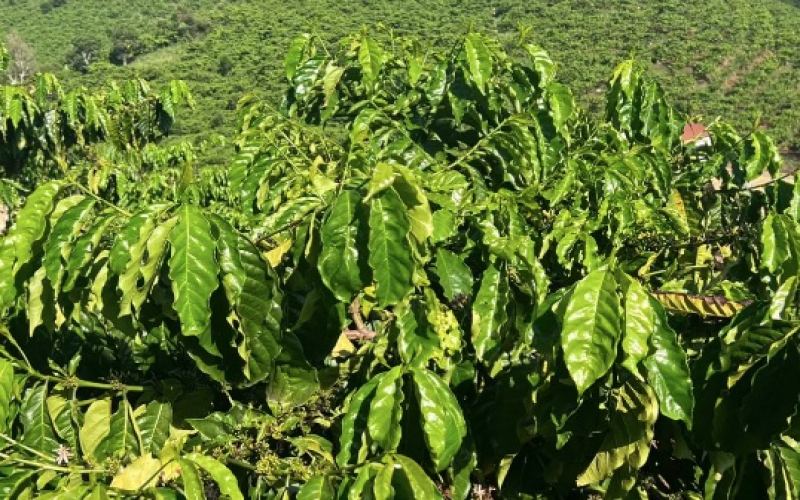
Why do some origin places only produce a fixed number of coffee varieties?
At present, some coffee-producing countries basically only produce a few fixed coffee varieties, such as Brazil mainly produces Bourbon, and Jamaican Blue Mountain mainly produces Typica, etc. In fact, in many cases, it is due to the spread of coffee [more…]
What exactly does coffee variety 74110 represent? A rundown of disease-resistant seeds bred in Ethiopia
In the world of specialty coffee, varieties named after numbers are becoming increasingly common, and 74110 is one of the most talked-about. It comes from Ethiopia, the birthplace of coffee, was bred by the Jimma Agricultural Research Center, and is one of the pioneering varieties in the fight against coffee berry disease. This article will walk you through the origin of the name 74110, the background of its discovery, its plant characteristics, and its flavor profile. We will also look at Ethiopia's unique approach to variety selection and the concept of "heirloom varieties," and see how this variety frequently appears in COE competitions. Front Street Coffee invites you to explore the story behind this number. [more…]
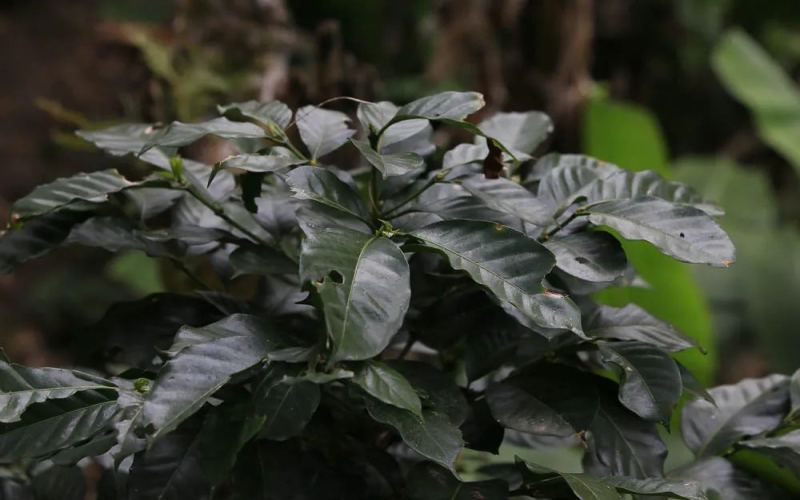
A Comprehensive Analysis of the Catimor Coffee Variety: The Robusta Genes Behind Its Disease Resistance and High Yield, and the Flavor Controversy
Catimor is a coffee variety bred by crossing Timor and Caturra. Developed in 1959 by CIFC in Portugal, it is known for its disease resistance and high yield, and is widely planted in Central and South America. It inherits the Robusta genes of Timor, giving it extremely strong resistance to leaf rust and berry disease. The plant is short and compact, suitable for dense planting, and its yield far exceeds that of traditional varieties. Currently, 99% of Yunnan's coffee production comes from Catimor. However, the Robusta genes also bring controversy in terms of flavor—when grown at high altitudes, its cupping performance is noticeably inferior to varieties such as Bourbon and Caturra, and the increased chlorogenic acid content brings bitterness and an unpleasant acidity. This article will provide a comprehensive analysis of Catimor's varietal origins, plant characteristics, and flavor controversies, and, using the high-mountain Catimor of Lujiangba in Baoshan, Yunnan as an example, combined with Front Street Coffee's roasting recommendations, explore this variety's positioning and value in the specialty coffee era. [more…]